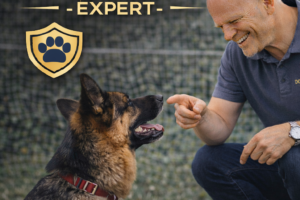
Dog training basics are essential for a harmonious life
Dog training basics are essential for a harmonious life with your canine companion. Whether you’re a first-time owner or have experience with dogs, understanding how to train your dog is crucial. This guide will cover the fundamental aspects of dog training, offering training tips and insights to help you build a strong bond with your dog and ensure they are well-behaved and happy. Let’s dive into the essentials to ensure successful training and a well-adjusted dog.
Understanding Dog Training Basics
The Importance of Basic Training
Basic training is the cornerstone of a well-behaved dog. Teaching your dog to sit, stay, and come are not just tricks; they are vital commands that ensure your dog’s safety and integrate them into your life seamlessly. Dog training basics help establish clear communication between you and your dog, making them understand what you expect of them. Basic training also provides mental stimulation, which can prevent destructive behaviors. Moreover, effective training and socialization early on ensures that your dog is confident and well-adjusted, reducing anxiety and fear-based aggression. By investing time in training, you’re setting the stage for a lifetime of happy, respectful interactions.
What You Need to Get Started
To get started with dog training, gather a few essential items. High-value treats are crucial to get your dog motivated and to reward positive behavior. A leash and collar are necessary to train your dog in a controlled environment. A comfortable and safe space in your house for training sessions can also make a big difference. Patience is arguably the most important tool. Training your dog requires understanding and consistency, so be prepared for setbacks and celebrate small victories. Remember to use positive reinforcement methods and create a fun, engaging environment to help foster a positive learning experience for your dog.
Common Misconceptions About Dog Training
There are several common misconceptions about dog training that can hinder the process. For example, some people believe things such as:
- Older dogs cannot learn new tricks. In reality, dogs of any age can be trained with the appropriate approach and patience.
- Severe punishment is an effective way to train your dog. Punishment can create fear and anxiety, damaging your relationship. Positive reinforcement, which focuses on rewarding good behavior, is a more effective and humane way to train.
- Training is a one-time event. Training is an ongoing process that requires constant reinforcement to maintain and build upon what your dog has learned.
How to Train Your Dog: Step-by-Step Guide
How to Train Your Dog to Sit
One of the first basic commands to teach your dog is “sit.” To train your dog to sit, start by holding a high-value treat close to their nose. Then, slowly move the treat over their head, which will naturally encourage your dog to sit as they follow the treat. As your dog begins to sit, say the word “Sit” in a clear and firm voice. Once your dog is sitting, you should do the following:
- Give them the treat.
- Offer verbal praise.
Repeat this process several times during short training sessions. Consistency is key. If your dog has difficulty, be sure to move the treat slowly enough. With repetition and positive reinforcement, your dog will quickly learn to associate the word “Sit” with the action.
Teaching Your Dog to Come When Called
Teaching your dog to come when called is crucial for their safety and your peace of mind. Start by teaching this command in a quiet, enclosed space in your home. Say your dog’s name followed by “Come” in an enthusiastic and friendly tone. As your dog starts to approach, take a few steps back to encourage them. It is important to reward them as follows:
- As soon as your dog reaches you, praise them.
- You can also reward them with a treat.
Practice this several times, gradually increasing the distance. Once your dog comes reliably in a controlled environment, start practicing in different locations, such as the park. Always reward them generously when they come, even if it takes them a little while to get there.
Basic Commands Every Dog Should Know
Beyond “sit” and “come,” several other basic commands are essential for your dog’s well-being and to get your dog to be a well-behaved companion. “Stay” is a valuable command, which can be used to teach your dog to remain in place until you release them. “Down” teaches your dog to lie down on command, which can be helpful in various situations. “Leave it” teaches your dog to ignore something they find interesting but potentially dangerous. To train your dog with these commands, use positive reinforcement techniques. Keep training sessions short, fun, and consistent to ensure your dog is successful. Consistency is key to seeing the success of your training.
Training Tips for Successful Dog Training
Consistency is Key in Dog Training
Consistency is paramount when training your dog. This means using the same commands, hand signals, and rewards every time you want your dog to perform a specific behavior. If you sometimes say “sit” and other times say “down” when you want your dog to sit, it will confuse your dog. Inconsistent cues make it difficult for your dog to understand what you expect, hindering the learning process. Make sure everyone in your house uses the same cues and training methods. Consistency in training will help to create clear associations in your dog’s mind, leading to faster and more reliable results. Remember that dogs thrive on routine, and clear communication will get your dog to be successful faster, so consistent commands will help them learn basic training.
Positive Reinforcement Techniques
Positive reinforcement is one of the most effective ways to train your dog. This technique involves rewarding your dog when they perform a desired behavior, making it more likely that they will repeat that behavior in the future. Examples of positive reinforcement include giving treats, verbal praise, petting, or offering a favorite toy when your dog does something right. Positive reinforcement should be immediate and consistent. When your dog is performing a task you asked of them, immediately reward them to create a clear association between the behavior and the reward. Avoid using punishment or harsh corrections, as these can create fear and anxiety, damaging your relationship. Using positive reinforcement helps to create a positive and enjoyable training experience for both you and your dog and helps them learn basic commands.
Using Treats Effectively in Training
Treats can be a powerful tool for dog training, especially when used effectively. To get your dog motivated, choose high-value treats that your dog finds irresistible, such as small pieces of cooked chicken, cheese, or commercial dog treats. Use treats strategically to reward desired behaviors, but avoid overfeeding. Treats should be small and offered immediately after your dog performs the correct action. Vary the type of treats you use to keep your dog engaged and motivated. Some days you can use high-value treats, while other days you can rely on verbal praise and petting. Gradually fade out the use of treats as your dog becomes more reliable with the commands. Always remember that treats are a means to teach your dog, and training should be fun.
Advanced Training Techniques for Dogs
How to Teach Your Dog New Tricks
Once your dog understands the basics, you can explore more advanced tricks and commands. Start by breaking down the trick into small, manageable steps. Use positive reinforcement techniques, such as treats and praise, to reward your dog for each successful step. For example, if you want to teach your dog to roll over, first teach your dog to lie down. Then, lure your dog onto their side with a treat and reward them. Gradually guide your dog to complete the roll, always using positive reinforcement. Keep your training sessions short, fun, and engaging. If your dog is struggling, go back to an earlier step and practice until they are comfortable before moving forward. Consistency and patience are key to success in teaching new tricks.
Addressing Behavioral Issues Through Training
Dog training can be an effective way to address various behavioral issues. For example, if your dog is showing signs of excessive barking, you can teach them a “quiet” command. When they start to bark, say “Quiet” firmly and immediately reward them when they stop barking, even if it’s just for a moment. If your dog is struggling with leash pulling, use positive reinforcement to teach them to walk nicely on a loose leash. Reward them when they walk calmly by your side. For more complex behavioral issues, such as aggression or anxiety, seek the guidance of a professional dog trainer. Early intervention and consistent training can often resolve or manage many common behavioral problems. Remember to be patient and understanding as they learn to modify their behavior.
When to Seek Professional Help for Training
While many dog owners can successfully train their dogs on their own, there are times when professional help is needed. If your dog is exhibiting severe behavioral issues, such as aggression, extreme anxiety, or destructive behavior, a certified professional dog trainer or a veterinary behaviorist can help. A professional can assess their behavior, identify the underlying causes, and develop a customized training plan. Additionally, if you’re struggling to make progress with your dog or if you’re feeling overwhelmed, don’t hesitate to seek assistance. A professional trainer can provide guidance, support, and effective techniques to help you and your dog succeed. Remember that seeking professional help is a sign of responsible pet ownership and can greatly improve the quality of life for both you and your canine companion.